41-110 PITTSBURGH PAINTS & STAINS ULTRA PAINT & PRIMER IN ONE INTERIOR FLAT WHITE/PASTEL BASE |
Hazard Statements
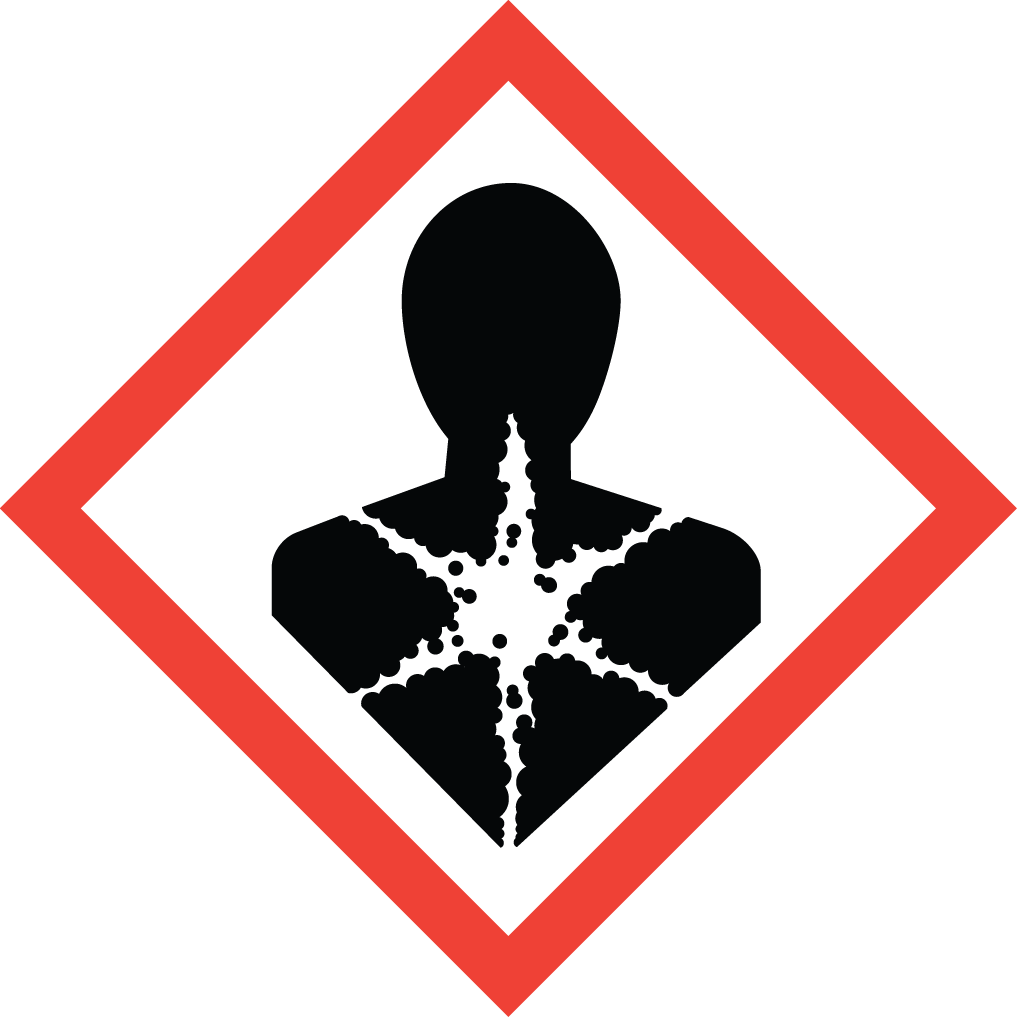
Suspected of causing cancer.
Precautionary Statements
Prevention : Obtain special instructions before use. Do not handle until all safety precautions have been read and understood. Wear protective gloves, protective clothing and eye or face protection. Response : IF exposed or concerned: Get medical advice or attention. Storage : Store locked up. Disposal : Dispose of contents and container in accordance with all local, regional, national and international regulations. Supplemental label elements : Contains isothiazolinones. May cause allergic reaction. Emits toxic fumes when heated.
Manufacturer information
Name
The Pittsburgh Paints Co
Phone
1-833-477-1553
Address
400 Bertha Lamme Drive
Cranberry Township, PA 16066
PICTOGRAMS
HMIS
| HEALTH |
|
| FLAMMABILITY |
|
| PHYSICAL HAZARD |
|
| PERSONAL PROTECTION |
Eye/face protection: Safety glasses with side shields Hand protection Chemical-resistant, impervious gloves complying with an approved standard should be worn at all times when handling chemical products if a risk assessment indicates this is necessary. Considering the parameters specified by the glove manufacturer, check during use that the gloves are still retaining their protective properties. It should be noted that the time to breakthrough for any glove material may be different for different glove manufacturers. In the case of mixtures, consisting of several substances, the protection time of the gloves cannot be accurately estimated. Body Protection: Personal protective equipment for the body should be selected based on the task being performed and the risks involved and should be approved by a specialist before handling this product. Other skin Protection: Appropriate footwear and any additional skin protection measures should be selected based on the task being performed and the risks involved and should be approved by a specialist before handling this product. Respiratory protection: Respirator selection must be based on known or anticipated exposure levels, the hazards of the product and the safe working limits of the selected respirator. If workers are exposed to concentrations above the exposure limit, they must use appropriate, certified respirators. Use a properly fitted, air-purifying or air-fed respirator complying with an approved standard if a risk assessment indicates this is necessary. C = Ceiling Limit SS = Skin sensitization TD = Total dust Consult local authorities for acceptable exposure limits. TLV = Threshold Limit Value TWA = Time Weighted Average F = Fume IPEL = Internal Permissible Exposure Limit OSHA = Occupational Safety and Health Administration. R = Respirable Z = OSHA 29 CFR 1910.1200 Subpart Z - Toxic and Hazardous Substances STEL = Short term Exposure limit values The respiratory protection shall be in accordance to 29 CFR 1910.134. |
Northern Michigan University
Local data
SKU #